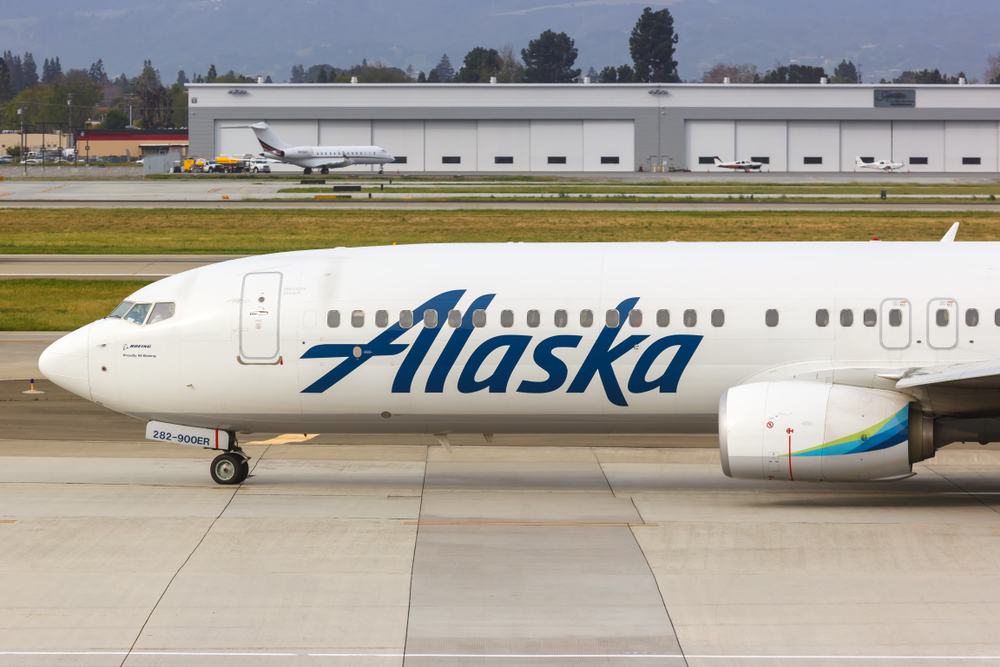
Hawaiian and Alaska Airlines Merger: What It Means
Airline merger news has gotten complicated with all the speculation flying around. As someone who traveled to 60+ countries over 15 years and navigated multiple airline mergers as a frequent flyer, I learned everything there is to know about what these consolidations actually mean for travelers. Today, I will share it all with you.
Alaska Airlines acquired Hawaiian Airlines. Here’s what actually matters for travelers.
What’s Changing
Loyalty programs are merging eventually. Mileage Plan and HawaiianMiles will combine somehow. Details are still TBD, but expect a single program within a year or two. That’s what makes airline mergers endearing to us travelers — potentially more redemption options in a combined program.
Route networks will connect. Alaska is strong on the West Coast and Pacific Northwest. Hawaiian dominates Hawaii routes and has Asia-Pacific connections. Combined, that’s a much more useful network. Probably should have led with this section, honestly — the expanded network is the biggest benefit.
Award availability should improve. More routes means more redemption options. Especially useful for getting to Hawaii on miles. I’ve already started planning trips that combine both networks.
What’s Probably Staying the Same
Hawaiian brand identity. They’re keeping the Hawaiian name and the aloha culture. Too much value in that brand to kill it. That’s what makes this merger endearing to us wanderers — they’re not destroying what makes Hawaiian special.
Inter-island service. Hawaiian is the only real option for island-hopping. That’s not going away. The inter-island monopoly remains intact.
Service quality. Both airlines have good reputations. No reason to expect that to degrade. Both carriers consistently rank above average for customer satisfaction.
The Concerns
Less competition on Hawaii routes. Alaska and Hawaiian were rivals on mainland-to-Hawaii flights. Now they’re one company. Prices could rise. That’s what makes consolidation endearing to us travelers — wait, actually this part isn’t endearing at all. Less competition rarely helps consumers.
Merger integration is always messy. Expect some bumps over the next couple years as systems and processes merge. I’ve lived through the United-Continental merger — it was rocky for a while.
What to Do Now
Keep your miles in both programs active. Don’t let anything expire. Pay attention to announcements about the loyalty merger. Small activity every 18 months keeps accounts alive.
Book any award trips you’ve been planning – availability might shift during the transition. Probably should have led with this section, honestly — book now while the programs still operate independently.
If you’re loyal to one airline, this is overall probably good news. More options, more routes, maintained service levels. Just might take a bit to smooth out. That’s what makes strategic airline mergers endearing to us travelers — when done right, they expand our options rather than limiting them.


Stay in the loop
Get the latest tripchimp updates delivered to your inbox.