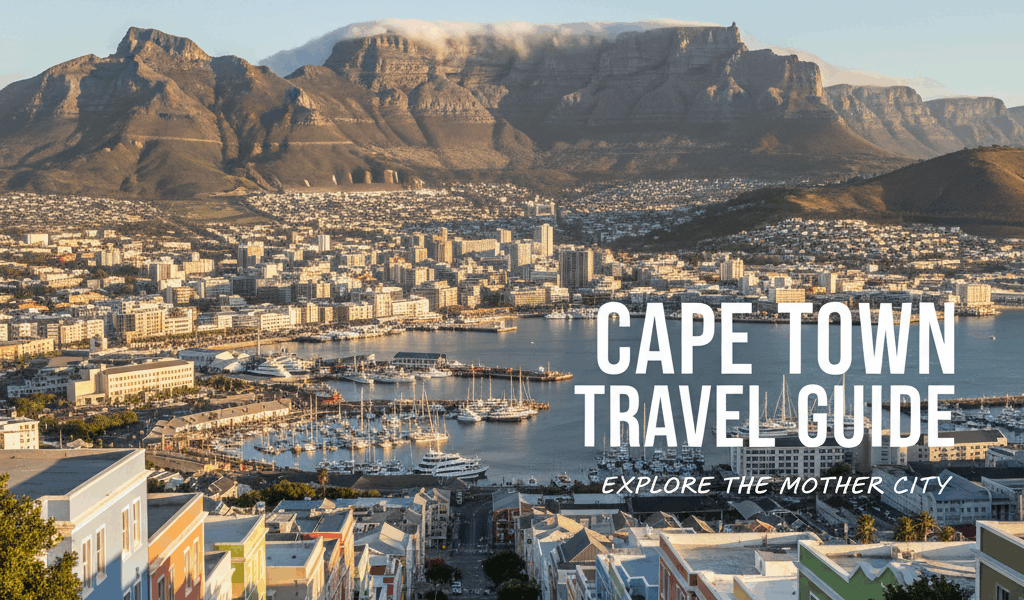
Cape Town: What You Need to Know
Cape Town is one of those cities that lives up to the hype. Table Mountain, incredible beaches, wine country nearby, and actual penguins. Here’s how to plan your trip.
Getting Around
Rent a car if you can. Public transport exists (MyCiTi buses are decent) but you’ll want flexibility for the Winelands and Cape Point. Drive on the left.
From the airport, it’s about 20 minutes to the city center. Uber works well here.
Don’t Miss
Table Mountain: Take the cable car up or hike if you’re fit. Either way, get there early – it gets crowded and weather can close the cable car without warning. The views are unreal.
Boulders Beach: African penguins just waddling around. Sounds gimmicky, never gets old. Go morning or late afternoon when they’re most active.
Cape Winelands: Stellenbosch and Franschhoek are both gorgeous. Day trip minimum, overnight is better. Try the local Pinotage.
V&A Waterfront: Yes it’s touristy. Still worth it for the restaurants, Two Oceans Aquarium, and boat tours.
Beaches
Clifton: Beautiful white sand, protected from wind. Water’s freezing though – this is Atlantic ocean.
Camps Bay: Scene-y beach with bars and restaurants right there. Sunset drinks are mandatory.
Muizenberg: Warmer water, good surfing. Famous for the colorful beach huts.
Neighborhoods
Bo-Kaap: The colorful houses you’ve seen in photos. Walk the cobblestone streets, try Cape Malay food. Respectful tourism – people live here.
Woodstock: Creative, gentrifying neighborhood. The Old Biscuit Mill Saturday market is worth planning around.
History
Robben Island: Where Mandela was imprisoned. The ferry tour includes guides who were actually prisoners there. Heavy but important.
District Six Museum: Documents the forced removals during Apartheid. Small museum, big impact.
Food
Braai (barbecue) is religion here. Try boerewors (sausage) and bobotie (spiced meat dish). Cape Malay cuisine in Bo-Kaap. Seafood everywhere along the coast.
Food markets are excellent – Neighbourgoods in Woodstock, V&A Food Market at the waterfront.
Safety
Be aware of your surroundings, especially at night. Don’t flash valuables. Stick to well-trafficked areas. Most tourist areas are fine, but this is a city with real inequality and crime exists. Common sense applies.
When to Go
Summer (December-February) is peak season – hot, dry, crowded. Shoulder seasons (October-November, March-April) are ideal. Winter (June-August) brings rain but also whale watching and cheaper prices.
Weather changes fast. Bring layers even in summer.
How Long
Five days minimum to hit the highlights without rushing. A week or more if you want to relax and day-trip properly. You could easily spend two weeks and not get bored.



Stay in the loop
Get the latest tripchimp updates delivered to your inbox.