Hotels With Kitchens: When They Actually Make Sense
Extended stay hotels with kitchenettes are seriously underrated for the right kind of trip. Here’s when booking one makes sense.
When to Book One
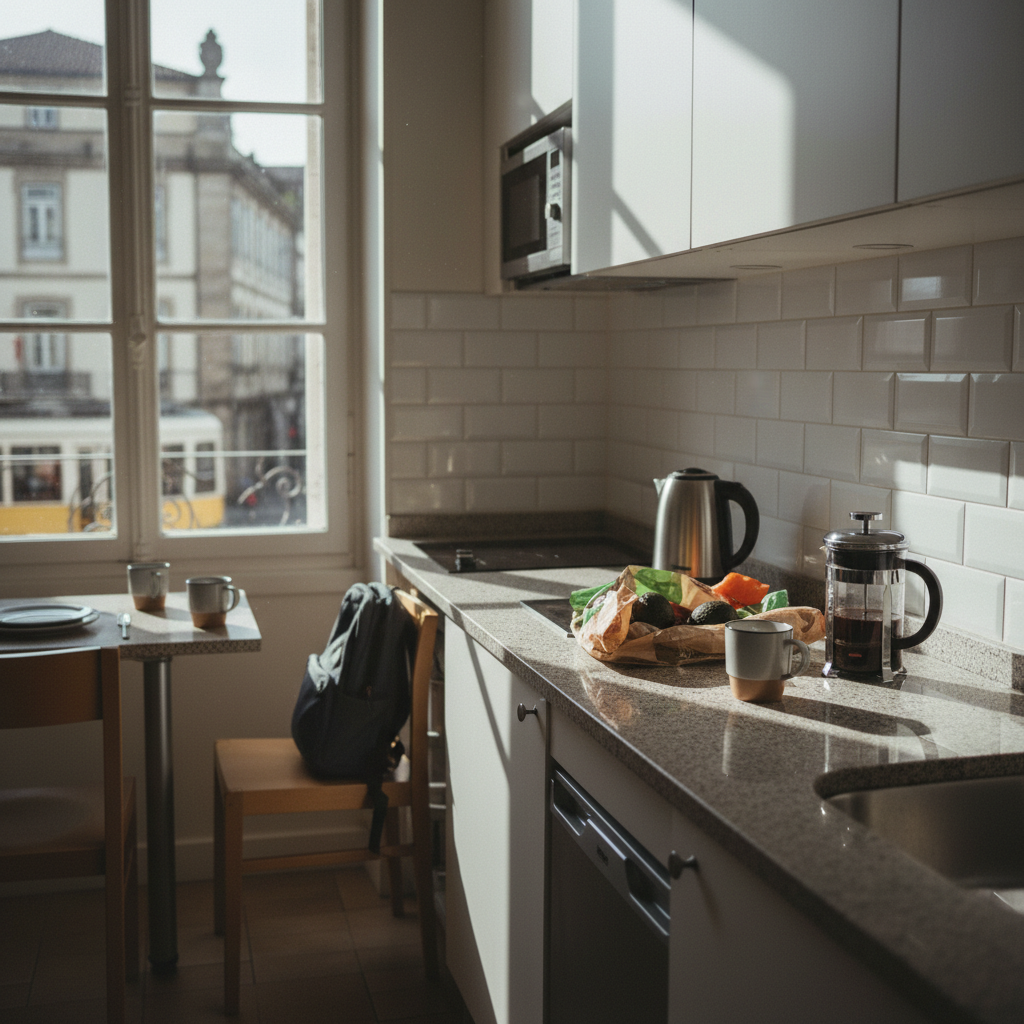
Longer stays. Anything over 4-5 nights, the savings from cooking even a few meals adds up fast. Eating out for every single meal gets old and expensive, no matter how good the local restaurants are.
Traveling with kids. Quick breakfasts, late night snacks, reheating leftovers. Game changer for family trips when little ones have unpredictable schedules and appetites.
Dietary restrictions. If you have specific food needs, being able to control your own meals beats hoping restaurants can accommodate you properly.
Work trips. When you’re on a project for weeks, hotel restaurants every night becomes brutal. Having a kitchen lets you eat normal food at normal times without the production of going out.
What You Usually Get
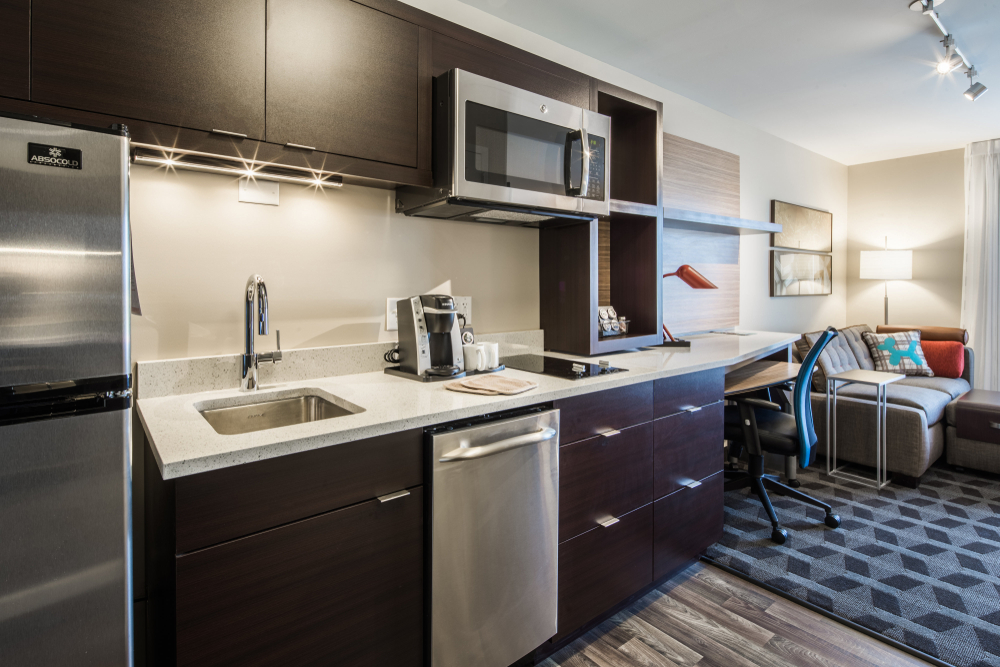
Mini fridge, microwave, maybe a stovetop burner or two. Small counter space. Basic pots and pans. Enough to make simple meals, definitely not enough to cook for a dinner party.
Full kitchens with actual ovens are less common but exist in apartment-style hotels and many Airbnbs.
The Chains That Do It Well
Residence Inn (Marriott): Full kitchens in most rooms. Good for families and long stays. Free breakfast too which helps the value equation.
Homewood Suites (Hilton): Full kitchens, evening socials with free food and drinks. Solid middle-ground pricing.
Extended Stay America: Budget option. Basic but functional kitchens. Good if you just need the essentials and nothing more.
Staybridge Suites (IHG): Full kitchens, grocery shopping service at some locations. Nice touch.
The Trade-offs Worth Knowing
Kitchenette rooms are bigger which means you’re usually in suburban locations rather than city centers. If walkability and nightlife matter, traditional hotels downtown might be the better play.
You’ll spend time cooking and cleaning dishes. On vacation, that’s not always what you want to be doing.
Per-night rates can be higher, but total trip cost often ends up lower with the food savings factored in.




Stay in the loop
Get the latest tripchimp updates delivered to your inbox.