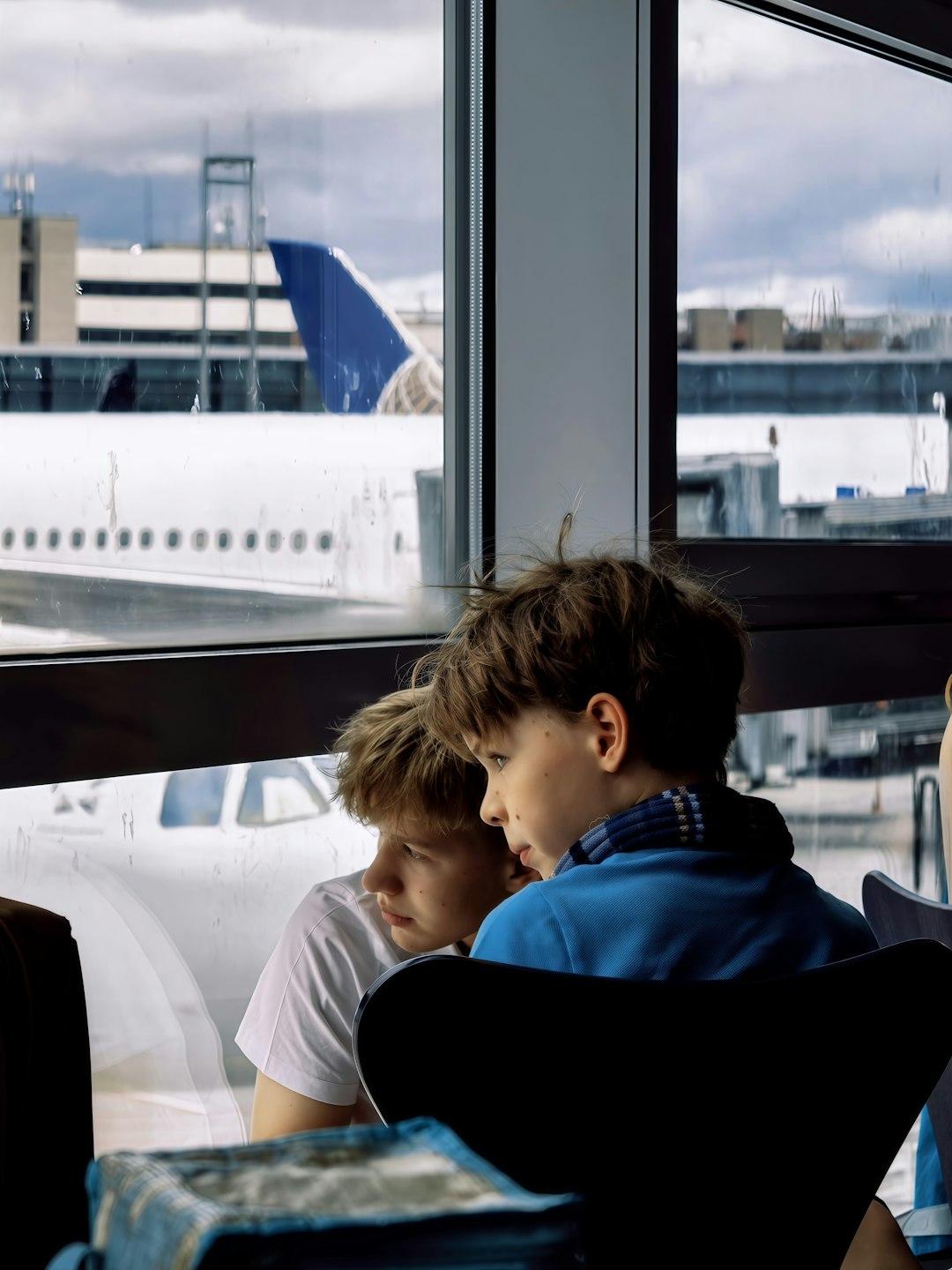
Flying with kids has gotten complicated with all the conflicting policies flying around. As someone who’s been dragging my two kids through airports since they were in diapers, I learned everything there is to know about which airlines actually accommodate families versus which ones just tolerate them. Today, I will share it all with you.
The Truth About “Family-Friendly” Airlines
Every airline claims to be family-friendly in their marketing materials. Cute photos of smiling kids wearing pilot wings, families boarding together looking relaxed and happy. Then you actually fly with a toddler and realize the gap between the brochure and reality is roughly the size of a 737 fuselage.
That’s what makes the genuinely good airlines endearing to us traveling parents — when an airline actually backs up the marketing with real policies and real accommodations, you notice immediately. And you become fiercely loyal.
I’ve flown with my kids on over twenty different airlines across domestic and international routes. What follows is my honest assessment based on actual experience, not press releases.
JetBlue
Probably should have led with this section, honestly. JetBlue is, in my experience, the most consistently family-friendly domestic airline. Here’s why:
Every seat has a seatback screen with free live TV, movies, and kids’ programming. This alone puts JetBlue ahead of most competitors. When you’ve got a four-year-old who’s starting to lose it at hour two of a cross-country flight, having Bluey available on demand is worth its weight in gold.
Their snack basket is free and includes options that kids will actually eat — animal crackers, cheese crackers, and chips. It’s not gourmet, but it keeps little hands occupied. And the flight attendants on JetBlue have consistently been the most patient and helpful with my kids. On one flight from Boston to Fort Lauderdale, an attendant brought my daughter a set of pilot wings and spent five minutes chatting with her about the plane. That’s the kind of thing that sticks with you.
The big drawback? JetBlue doesn’t fly everywhere. Their route network is limited compared to the major carriers, so depending on where you’re going, it might not be an option.
Southwest Airlines
Southwest is the budget family pick, and for good reason. No change fees, no cancellation fees, and two free checked bags per person. When you’re traveling with kids, that last one is massive. Between car seats, strollers, and the absurd amount of stuff children apparently need, those free bags save you $100+ each way.
Their family boarding policy lets families with kids under 6 board between the A and B groups, which gives you a decent shot at sitting together without paying for assigned seats. This matters because Southwest uses open seating — you pick your seat when you board. Without the family boarding priority, you’d be stuck trying to find three seats together while 120 people stare at you impatiently.
The no-frills approach isn’t for everyone. There’s no seatback entertainment, no first class, and the cabin can feel a bit chaotic. But when your toddler has a meltdown (and they will), the Southwest crowd tends to be more understanding about it than the passengers in business class on a legacy carrier. Something about the casual atmosphere makes it less stressful.
Delta Air Lines
Delta has invested heavily in making the family experience smoother, and it shows. Their app lets you select seats together at booking, they offer free messaging through the Delta app inflight (useful for coordinating with your partner if you’re split up), and their entertainment options are extensive on most routes.
Where Delta really stands out is on international flights. Their long-haul fleet generally has better seatback entertainment, more legroom in economy, and bassinets available for infants on bulkhead rows (you need to request these in advance). My wife and I flew Delta to London with a nine-month-old and the bassinet was a lifesaver on that overnight flight.
Delta also has the SkyClub lounges, which aren’t specifically kid-focused but offer a calm, quiet space during layovers where kids can decompress. If you’ve got the AMEX card that includes lounge access, use it. A tired, overstimulated kid in a crowded gate area is a ticking time bomb. A tired kid with a quiet corner and some mac and cheese from the lounge buffet is manageable.
Emirates
If you’re doing long-haul international with kids and budget allows for it, Emirates is in a class by itself. Their economy class has more legroom than most domestic first class seats, the entertainment system has a dedicated kids section with hundreds of options, and they give children activity packs at boarding — coloring books, puzzles, little toys.
The real game-changer is their onboard service. Flight attendants will warm bottles, prepare kid meals ahead of the adults, and they don’t look at you sideways when your kid is crying. I watched an Emirates attendant walk a fussy baby up and down the galley for twenty minutes while the parents ate dinner. That doesn’t happen on most airlines.
The food quality in economy is also noticeably better than US carriers, including actual kid meals that aren’t just chicken nuggets (though they have those too). My kids ate rice with vegetables and a fruit plate — food they’d normally refuse at home but somehow ate at 35,000 feet.
Alaska Airlines
Alaska is the Pacific Northwest’s answer to JetBlue, and they’ve gotten increasingly family-friendly in recent years. Free entertainment on personal devices (through their app), generous snack options, and flight attendants who are consistently among the friendliest in the industry.
Their mileage program is also surprisingly good for families. Alaska miles are easy to earn through everyday spending on their co-branded credit card, and they have partners across multiple alliances, so redemption options are broad. I’ve used Alaska miles to book flights on Japan Airlines and Cathay Pacific, which is the kind of value that helps make family international travel affordable.
The family boarding situation on Alaska is decent — families with kids under 2 can board early, though it’s not quite as generous as Southwest’s policy. But for West Coast families especially, Alaska is hard to beat on value.
Airlines I’d Avoid With Kids (If Possible)
I won’t name every bad experience I’ve had, but some general patterns:
Ultra-low-cost carriers (Spirit, Frontier) technically get you there for less money, but the experience with kids can be rough. No assigned seating without paying extra means you might not sit with your own children. No free snacks or drinks. Tight seats. Charge for everything. The money you save on the ticket, you spend on add-ons and emotional damage.
I flew Spirit once with my son when he was three. We were separated by twelve rows because I didn’t pay for seat assignment, the flight was delayed four hours, and there was literally nothing to eat onboard without paying. Never again. Some savings aren’t worth it.
General Tips That Apply to Any Airline
After years of flying with kids, these are the things that make the biggest difference regardless of which airline you choose:
Book early morning flights. I know, nobody wants to wake up at 4 AM. But early flights have the best on-time performance, your kids are usually in a better mood early in the day, and if something goes wrong there are more rebooking options later.
Bring way more snacks than you think you need. I pack a separate snack bag that could feed a small army. Delays happen, meals get missed, and a hungry child on a plane is everyone’s problem.
Download entertainment before you leave. Don’t rely on inflight WiFi working. Load up the tablet with shows and movies at home. Also bring headphones that actually fit kid-sized heads — the ones airlines give out are adult-sized and fall off constantly.
Gate check the stroller. Every airline lets you bring the stroller to the jet bridge and gate check it for free. You’ll want it during connections and layovers. Carrying a sleeping toddler through a mile-long terminal is not a workout I recommend.
Tell the flight attendants it’s your kid’s first flight. Even if it isn’t. They’ll usually bring pilot wings or a little extra attention, and it sets a positive tone for the whole flight. My daughter has collected seventeen sets of pilot wings this way. She’s not fooling anyone anymore but they still give them to her.
The Real Secret
Here’s what nobody tells you about flying with kids: it gets easier every single time. That first flight is terrifying. The second one is stressful. By the fifth flight, you’ve got a system, your kids know what to expect, and the whole thing becomes just another part of the trip.
Choose an airline that supports you instead of fighting against you, pack smart, lower your expectations slightly, and remember that the people around you were kids on planes once too. Most of them are more understanding than you’d expect. And the ones who aren’t? That’s what noise-canceling headphones are for — yours and theirs.

Leave a Reply