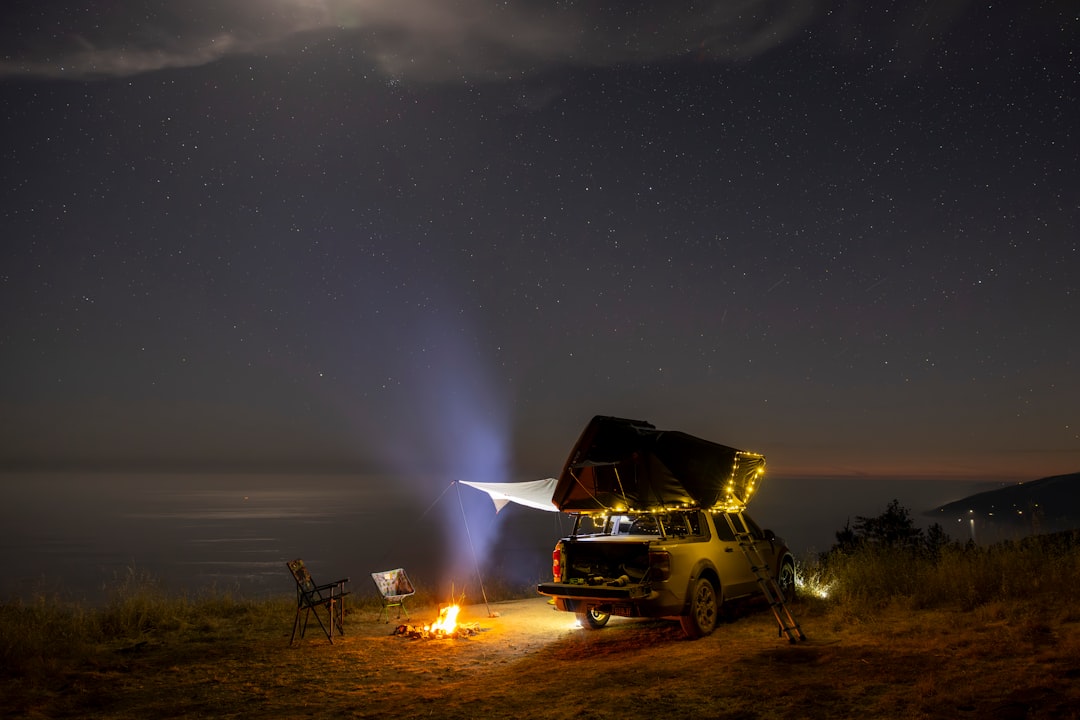
Rooftop tents for overlanding have gotten complicated with all the brands and options flying around. As someone who’s owned four different rooftop tents over the past five years and slept in them across twelve states, I learned everything there is to know about which ones actually hold up on the trail. Today, I will share it all with you.
Why Rooftop Tents Changed Overlanding for Me
I’ll be honest — I was a ground tent guy for years. Thought rooftop tents were overpriced and gimmicky. Then a buddy let me try his on a trip through Death Valley, and I slept better in the desert on a rooftop platform than I had in any ground tent, ever. No rocks under my back, no worry about scorpions or rattlesnakes at the tent door, and setup took about ninety seconds. I bought my own within a month.
That’s what makes rooftop tents endearing to us overlanders — they solve real problems that ground camping creates, especially in rough terrain where flat ground is scarce and wildlife is plentiful. Once you sleep off the ground, going back feels like a downgrade.
The Two Main Types: Softshell vs. Hardshell
Probably should have led with this section, honestly. Before diving into specific models, you need to understand the fundamental choice you’re making.
Softshell tents fold open like a book. They’re the classic design, typically cheaper, and they unfold to create a sleeping area that overhangs the vehicle on one or both sides. This gives you more interior space for the money. The tradeoff is setup time (still only a few minutes) and a bulkier profile when closed.
Hardshell tents have a rigid top that pops up or flips open, with fabric walls that connect the base to the lid. They’re more aerodynamic when closed, set up faster (literally pop the latches and it opens), and generally more weather-resistant. But they cost more and the interior footprint is limited to the base dimensions since nothing overhangs.
I’ve owned both. Currently running a hardshell because I do a lot of highway driving between trail systems and the reduced wind drag is noticeable — about a 2-3 MPG difference on my 4Runner compared to the softshell I had before. But my first tent was a softshell and I loved it. There’s no wrong answer here, just tradeoffs.
iKamper Skycamp 3.0
This is the tent that dominates overlanding forums, and honestly, it earned that reputation. The Skycamp 3.0 is a hardshell that pops open with gas struts — you undo four latches and push up, and the thing springs open in about ten seconds. Closing takes maybe thirty seconds. For reference, my old softshell took five minutes.
The interior is spacious for a hardshell: king-size sleeping area, a built-in memory foam mattress that’s legitimately comfortable (I’m 6’1″ and never felt cramped), and the poly-cotton canvas walls breathe well enough that condensation hasn’t been a major issue for me.
I ran the Skycamp 3.0 for two years across desert, mountain, and coastal trips. In wind, it’s solid — handled 40 MPH gusts in the Utah desert without any drama. Rain performance is good with the included fly, though I’d recommend seam-sealing if you’re going to be in extended wet conditions.
The downsides: it’s expensive (around $4,000 retail), it weighs about 145 pounds which impacts your roof load capacity, and the gas struts can weaken over time if you store it in direct sun. I replaced mine after 18 months, cost about $60 for the pair.
Roofnest Falcon Pro
The Falcon Pro is my current tent, so I can speak to it with the most recent experience. It’s a clamshell-style hardshell that opens to one side, creating a sleeping area that’s slightly angled. Takes some getting used to — the first couple nights I kept rolling slightly toward the low side. A simple sleeping pad leveler fixed that.
What sold me on the Falcon Pro was the low profile when closed. At 6.5 inches thick, it looks like a cargo box on top of the vehicle. I can fit in my garage without removing it, which was a dealbreaker criterion for me after struggling to remove and remount my previous tent every time I needed to park in the garage.
The aluminum shell is tough and completely waterproof when closed. I’ve driven through car washes with it (yes, really — wanted to test it) and everything inside stayed bone dry. The mattress is a 3-inch high-density foam that’s comfortable enough, though I added a thin memory foam topper for longer trips.
Price sits around $3,200, which positions it slightly below the iKamper. Build quality is excellent. My only real complaint is the single entry point — if someone needs to get out during the night, they’re climbing over whoever is on the inside. Not a problem solo, but worth noting for couples.
Smittybilt Overlander XL
This is the budget king, and it’s how a lot of people (myself included) get into rooftop tents without spending four grand. The Overlander XL is a traditional softshell fold-out design that runs around $1,200-1,400 depending on the retailer.
For the money, it’s remarkably capable. The cotton-poly canvas is durable, the aluminum base is rigid enough, and the included mattress is… acceptable. I’ll be straight with you — the stock mattress is thin and firm. Replace it. A $60 tri-fold memory foam mattress from Amazon transformed the sleeping experience.
Setup takes about three to four minutes once you’ve done it a few times. Unzip the cover, unfold, extend the ladder, attach the ladder, climb up. Not as elegant as popping open a hardshell, but not exactly hard labor either.
The Smittybilt got me through a full year of monthly overlanding trips across the Southwest. It survived wind, rain, one hailstorm (that was terrifying), and daily use on a two-week road trip through Baja. The zippers started giving me trouble after about eight months — YKK replacements from a local canvas shop fixed that permanently for $40.
Where it falls short compared to pricier options: aerodynamics (it sits tall and catches wind), long-term durability of hardware (hinges and latches feel cheaper), and weather resistance in sustained rain (it’ll keep you dry in a shower, but an all-night downpour will find its way through eventually).
23Zero Breezeway 72
The 23Zero is an Australian brand that’s built their reputation in the Outback, which should tell you something about their durability standards. The Breezeway 72 is a softshell tent with 360-degree access (doors and windows on all sides), which is brilliant for ventilation in hot conditions.
I borrowed this tent from a friend for a two-week Arizona trip in August, and the airflow was noticeably better than any other tent I’ve used. In 95-degree desert heat, being able to open every panel and catch cross-breezes made nighttime sleeping bearable without a fan.
The canvas is a heavy-duty poly-cotton ripstop that’s been treated for UV and water resistance. It feels like it’ll outlast the vehicle. The included mattress is above average — actually comfortable without a topper, which is unusual in this price range (around $2,200).
The weight is the main concern at nearly 175 pounds fully loaded. On a midsize SUV or truck, you’re eating a significant chunk of your dynamic roof load rating. Make sure your rack and vehicle can handle it before you buy.
Body Armor 4×4 Sky Ridge Pike 2-Person
This is a relative newcomer that’s been generating buzz for the right reasons. The Sky Ridge Pike is a hardshell with a unique diamond-opening design that gives you more interior space than a typical clamshell while maintaining a slim closed profile.
I tested one at an overlanding expo and was impressed by the build quality for the price point (around $2,500). The aluminum honeycomb base is light and rigid, the gas struts feel robust, and the tent fabric is well-sewn. The mattress is a 3-inch high-density foam that’s competitive with tents costing significantly more.
I haven’t owned this one personally, so I can’t speak to long-term durability. But based on handling it, talking to owners, and the reputation Body Armor has built in the off-road accessories space, I’d be comfortable recommending it as a mid-range option that punches above its weight.
What I’d Buy Today
If I were starting from scratch with no tent and no brand loyalty, here’s how I’d decide:
- Tight budget, first tent: Smittybilt Overlander XL. Get into the game without financial pain, upgrade the mattress, and see if rooftop camping is actually for you before spending big.
- Mid-range, hot climate focus: 23Zero Breezeway 72. The ventilation is unmatched and the build quality is legit.
- Mid-range, all-around: Body Armor Sky Ridge Pike or Roofnest Falcon Pro. Both solid at their price points.
- Money is less of a concern: iKamper Skycamp 3.0. It’s the most refined rooftop tent on the market and the speed of setup is addictive.
Installation and Maintenance Tips
A few things I wish someone had told me before my first rooftop tent:
Your roof rack matters more than the tent. A great tent on a cheap rack is a disaster waiting to happen. Make sure your crossbars are rated for the combined weight of the tent plus occupants. Static ratings aren’t the same as dynamic ratings — the number you need is the dynamic (in-motion) rating, which is typically much lower than the static number.
Tighten the mounting hardware after the first trip. Everything settles and vibrates on the road. After my first outing, three of four mounting bolts had loosened noticeably. Now I check them before every trip.
Leave the tent cracked open when stored. If you store the vehicle in a garage between trips, pop the tent open slightly or at least unzip a window. Trapped moisture creates mold, and cleaning mold out of tent fabric is one of life’s more unpleasant chores. I learned this the hard way after two weeks in the garage during a humid summer. Took three rounds of vinegar treatment to get the smell out.
Condition the canvas annually. Poly-cotton canvas needs re-waterproofing every year or two, depending on use. A bottle of Nikwax Cotton Proof costs about $15 and takes an hour to apply. Worth it to avoid waking up damp at 2 AM.
Whatever tent you choose, just get out there and use it. The best rooftop tent is the one that gets you sleeping under the stars instead of scrolling through more reviews. Trust me on that one.




Leave a Reply