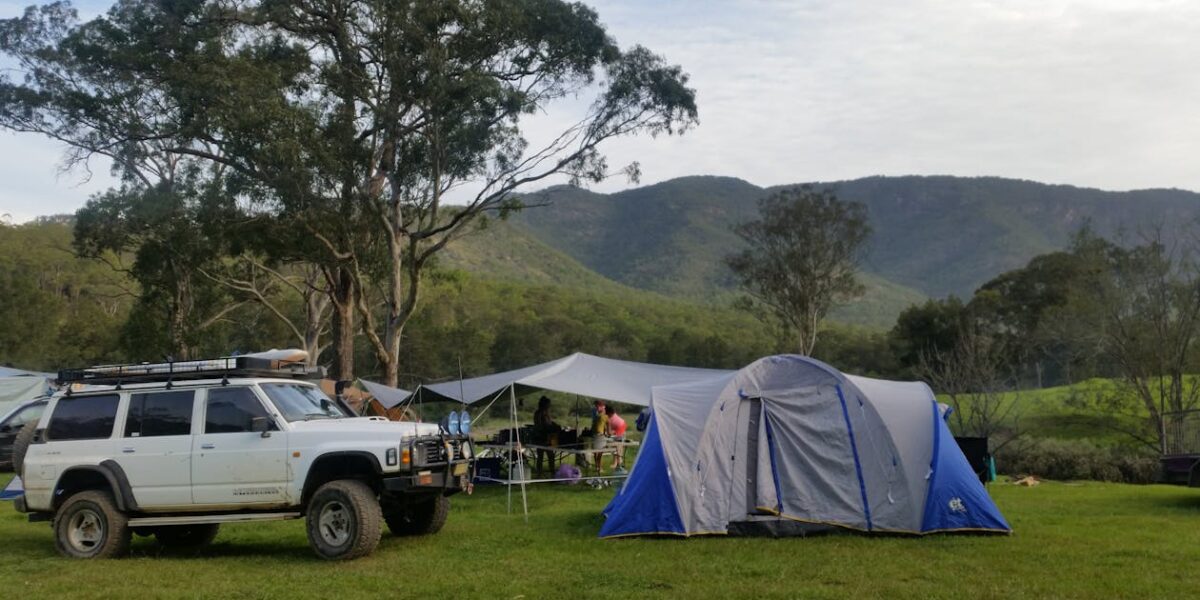
Overlanding has exploded in popularity, with over 12 million Americans now hitting trails and exploring remote destinations in modified vehicles. If you’ve seen rigs with rooftop tents parked at scenic overlooks or watched YouTube videos of adventures on backcountry roads, you might be wondering how to get started yourself.
This guide covers everything you need to know to begin your overlanding journey, from understanding what overlanding actually means to planning your first trip.
What Is Overlanding?
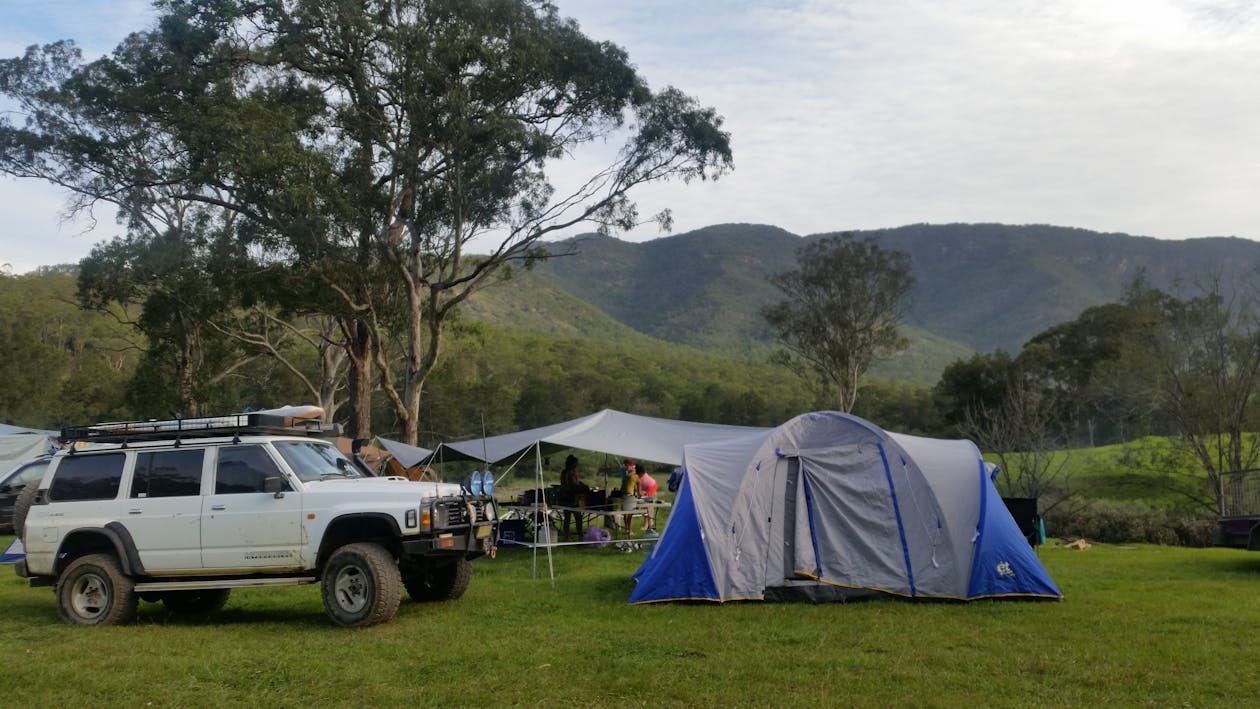
Overlanding is self-reliant adventure travel to remote destinations where the journey is the primary goal. Unlike off-roading, which focuses on technical driving challenges, overlanding emphasizes exploration, camping, and experiencing landscapes that aren’t accessible by paved roads.
The key distinction: overlanding combines vehicle-based travel with camping and self-sufficiency. You carry everything you need to live comfortably in the backcountry for extended periods, from cooking equipment to shelter.
Do You Need an Expensive Vehicle?
One of the biggest misconceptions about overlanding is that you need a $100,000 modified rig to participate. The truth is much simpler: you can start with what you already own.
Many overlanding destinations are accessible to stock SUVs, crossovers, or even capable sedans. Start with easier trails and gradually work up to more challenging terrain as you learn your vehicle’s capabilities and limitations.
Popular Overlanding Platforms
- Toyota 4Runner/Tacoma – The gold standard for reliability and aftermarket support
- Jeep Wrangler/Gladiator – Excellent off-road capability out of the box
- Ford Bronco/Ranger – Modern options with strong factory capability
- Subaru Outback/Forester – Great for lighter overlanding and forest roads
- Full-size trucks – F-150, Silverado, and RAM for those who need cargo capacity
Essential Gear for Your First Trip
Don’t overwhelm yourself with gear purchases before your first trip. Start with the basics and add equipment as you learn what you actually need.
Must-Have Items
- Recovery gear – At minimum, a tow strap and basic shovel
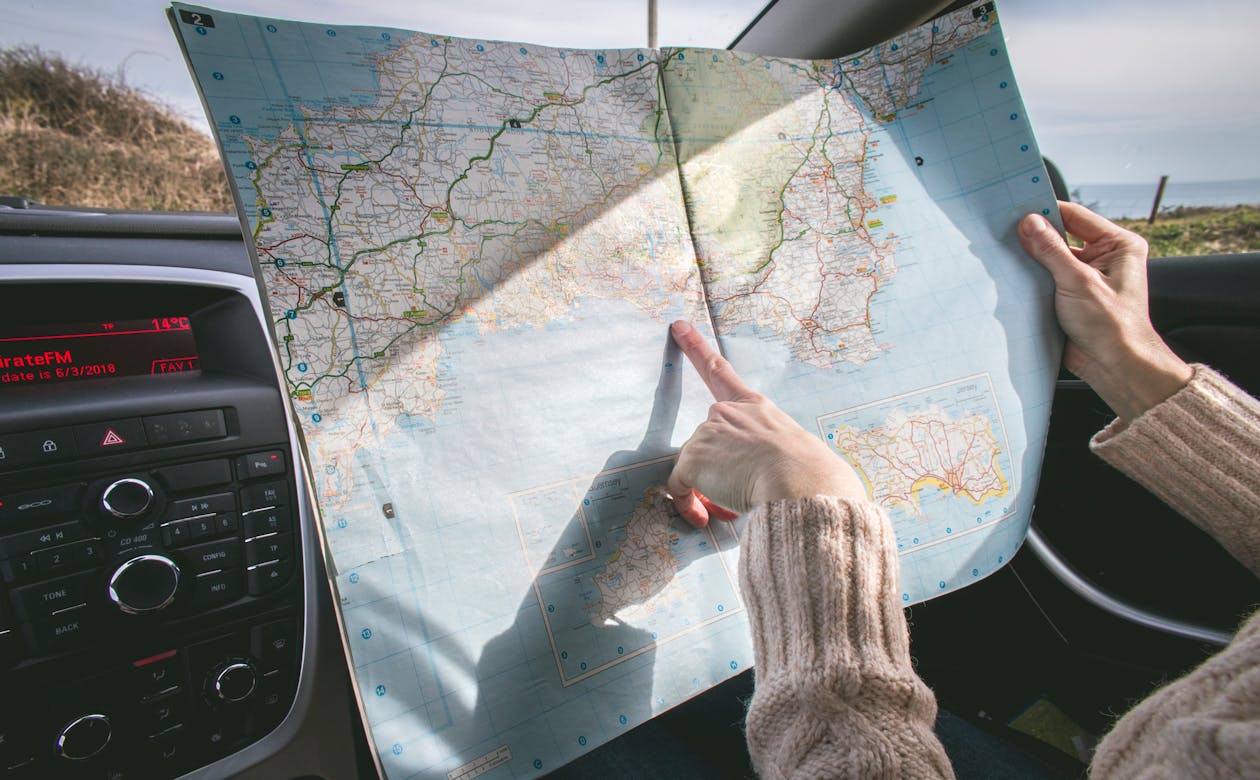
- Navigation – Downloaded offline maps (Gaia GPS, onX Offroad)
- First aid kit – A comprehensive kit for backcountry situations
- Communication – Cell phone backup (satellite communicator for remote areas)
- Water – More than you think you need, plus a way to filter more
- Basic tools – Tire repair kit, jumper cables, basic wrenches
Camping Essentials
- Shelter – Ground tent, rooftop tent, or sleeping in your vehicle
- Sleep system – Sleeping bag rated for expected temperatures
- Cooking – Camp stove, cookware, and cooler for food storage
- Lighting – Headlamp and camp lantern
Finding Places to Camp
One of the best aspects of overlanding is access to free dispersed camping on public lands. In the United States, you can camp for free on:
- BLM (Bureau of Land Management) land – Vast areas across the Western US
- National Forest land – Most National Forests allow dispersed camping
- State trust lands – Varies by state, some allow camping
Apps like FreeRoam, iOverlander, and The Dyrt help you find established dispersed camping sites with reviews from other overlanders.
Planning Your First Overlanding Trip
Start Small
Your first trip should be close to home, on easy terrain, with good cell coverage. This lets you work out the kinks in your setup without being hours from help. A single overnight trip within 2-3 hours of home is perfect.
Research Your Route
- Check road conditions and closures before you go
- Know the difficulty rating of any trails you plan to drive
- Have backup plans if conditions aren’t favorable
- Tell someone your itinerary and expected return time
Pack Smart
Bring less than you think you need. Overloading your vehicle affects handling, fuel economy, and wear on components. You’ll quickly learn what’s essential versus what sits unused in your cargo area.
Leave No Trace
Overlanding privileges on public lands depend on responsible use. Follow these principles:
- Stay on established roads and trails – Never create new routes
- Camp in existing sites – Don’t create new disturbance
- Pack out all trash – Leave sites cleaner than you found them
- Respect fire restrictions – Check current regulations before starting any fire
- Be considerate of others – Keep noise down, yield to other users
Building Skills Over Time
Overlanding is a journey, not a destination. Each trip teaches you something new about your vehicle, your gear, and yourself. Focus on:
- Learning your vehicle’s capabilities through progressively harder terrain
- Developing camp setup routines that work efficiently
- Understanding weather and terrain reading
- Building mechanical knowledge for basic field repairs
- Connecting with the overlanding community for knowledge sharing

Next Steps
Ready to start your overlanding journey? Here’s your action plan:
- Pick a destination within a few hours of home that allows dispersed camping
- Gather basic gear you already own (camping equipment counts)
- Download offline maps of your destination area
- Plan a single overnight trip on an easy road
- Go, learn, and iterate on your setup
The best overlanding setup is the one that gets you out exploring. Don’t wait for the perfect rig or the perfect gear. Start with what you have and upgrade based on real experience.
Recommended Overlanding YouTube Channels
Continue learning with these quality overlanding content creators:
- Expedition Overland – High-production expeditions with educational content
- Overland Bound – Community-focused tips, how-tos, and rig builds
- TrailRecon – Honest gear reviews and trail guides
- Revere Overland – Family-friendly overlanding adventures
- 4XOverland – In-depth gear reviews and expedition planning

Leave a Reply