
You don’t need to spend $50,000 building an overland rig. While social media is full of fully kitted vehicles with every accessory imaginable, many experienced overlanders travel thousands of miles with modest setups. A smart budget build focuses on reliability, capability, and the gear that actually matters.
This guide outlines how to build a capable overland vehicle on a budget, prioritizing modifications that deliver real value.
Start With What You Have
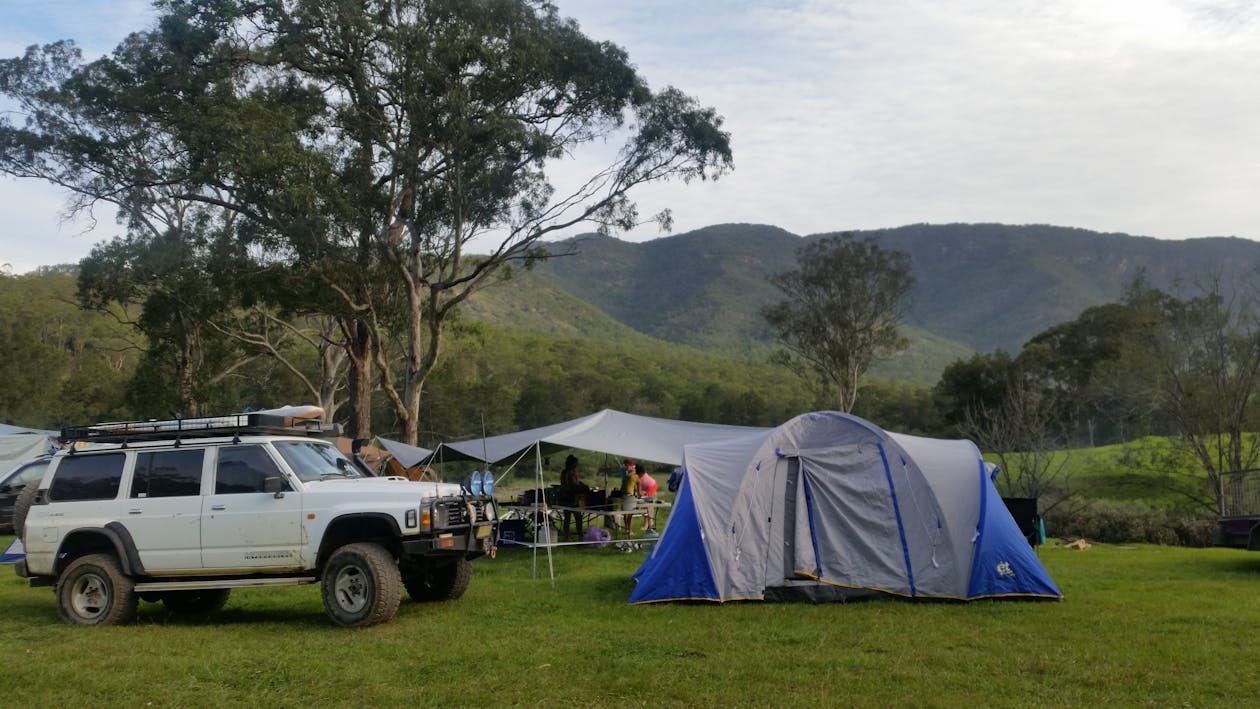
Before spending anything, honestly assess your current vehicle. Many stock SUVs and trucks are surprisingly capable:
- Stock 4WD systems handle most overlanding terrain
- All-wheel drive vehicles access easier trails just fine
- Ground clearance matters more than complex lockers for beginners
- Reliability trumps capability – a reliable stock vehicle beats an unreliable modified one
Do You Actually Need to Modify?
Take your stock vehicle on a few trips before buying anything. You’ll quickly learn what limitations actually matter versus what you thought you needed.

Priority 1: Tires ($600-$1,500)
If you modify only one thing, upgrade your tires. Quality all-terrain or mud-terrain tires transform capability more than almost any other modification.
What to Look For
- All-terrain (A/T) tires: Best balance of on-road comfort and off-road capability
- Load rating: Match or exceed your vehicle’s requirements
- Size: Stock size works fine; slightly larger if your vehicle handles it
- Quality brands: BFGoodrich, Falken, Toyo, Cooper offer great value
Budget Tip
Buy the best tires you can afford in a size that fits without modifications. Going slightly smaller than the maximum saves money on lift kits and regearing.

Priority 2: Recovery Gear ($200-$500)
Recovery gear lets you get unstuck and helps other travelers. Essential items:
- Recovery strap and soft shackles: $80-$150
- Folding shovel: $30-$60
- Tire deflators: $15-$40
- 12V air compressor: $80-$200
Skip For Now
Recovery boards ($200+) and hi-lift jacks ($100+) are useful but not essential for easier trails. Add them later if your routes demand them.

Priority 3: Sleep System ($100-$500)
Good sleep makes everything better. You don’t need a rooftop tent to start.
Budget Options
- Ground tent: A quality backpacking tent works great and costs $150-$300
- Vehicle sleeping: Fold down seats and add a sleeping pad
- Truck bed tent: $100-$200 for truck owners
- Quality sleeping bag: Temperature-rated for your destinations
- Sleeping pad: Better than any cheap mattress
Rooftop Tents Later
RTTs are convenient but expensive ($800-$3,000+). Start with ground camping and upgrade when you know you want to commit to overlanding.
Priority 4: Storage and Organization ($50-$300)
Organized gear is accessible gear. Simple solutions work:
- Plastic bins: Cheap, waterproof, stackable
- Cargo nets and straps: Keep things from shifting
- DIY drawer system: Plywood and slides cost far less than commercial systems
- Roof basket: Budget racks from Amazon work fine for lighter loads

Priority 5: Cooking Setup ($50-$200)
Simple cooking gear works for most trips:
- Camp stove: A basic propane stove ($30-$80) handles most cooking
- Cooler: A quality cooler keeps food cold for days
- Basic cookware: One pot, one pan, utensils
- Water storage: Jugs from the hardware store work fine
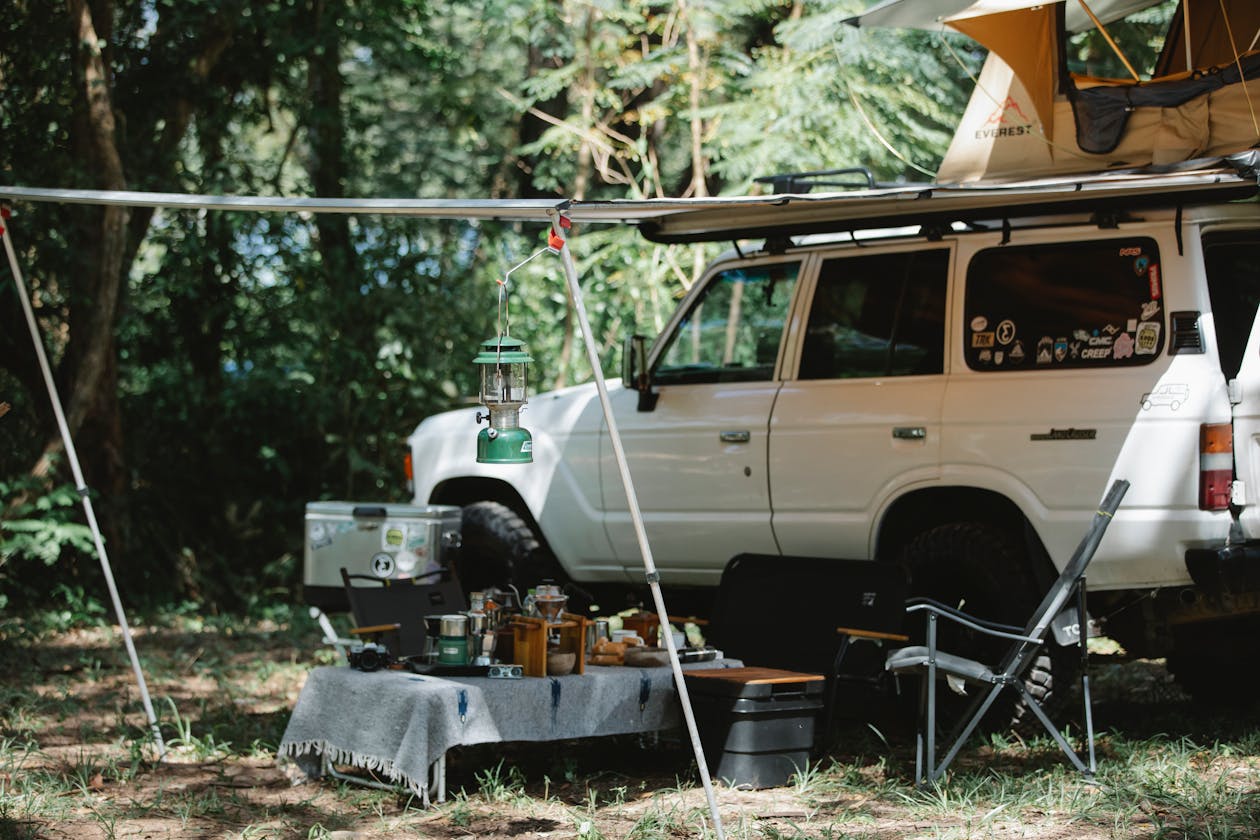
Skip the Slide-Out Kitchen
Expensive slide-out kitchens look great on Instagram but aren’t necessary. A folding table and camp stove accomplish the same thing for 90% less.
What to Skip (For Now)
These popular modifications can wait until you’ve gained experience:
Lift Kits ($500-$3,000)
Stock height handles most overlanding terrain. Lifts add expense and can affect handling, reliability, and fuel economy.
Bumpers and Armor ($1,000-$5,000)
Heavy steel adds weight and reduces fuel economy. Unless you’re regularly rock crawling, stock bumpers are fine.
Roof Racks ($300-$1,500)
Consider whether you actually need to carry things on your roof. Weight up high affects handling and increases fuel consumption.
Sample Budget Builds
$500 Starter Build
- Keep your current tires (for now)
- Basic recovery kit: strap, shackles, shovel ($100)
- 12V air compressor ($80)
- Ground tent (use one you own or $100)
- Sleeping pad and bag ($100)
- Camp stove and cookware ($50)
- Plastic bins for organization ($30)
- First aid kit ($40)
$2,000 Capable Build
- Quality all-terrain tires ($800-$1,000)
- Recovery kit with boards ($300)
- Good 12V compressor ($150)
- Quality ground tent ($200)
- Better sleep system ($150)
- Cooking setup with quality cooler ($150)
- Organization bins and cargo management ($50)
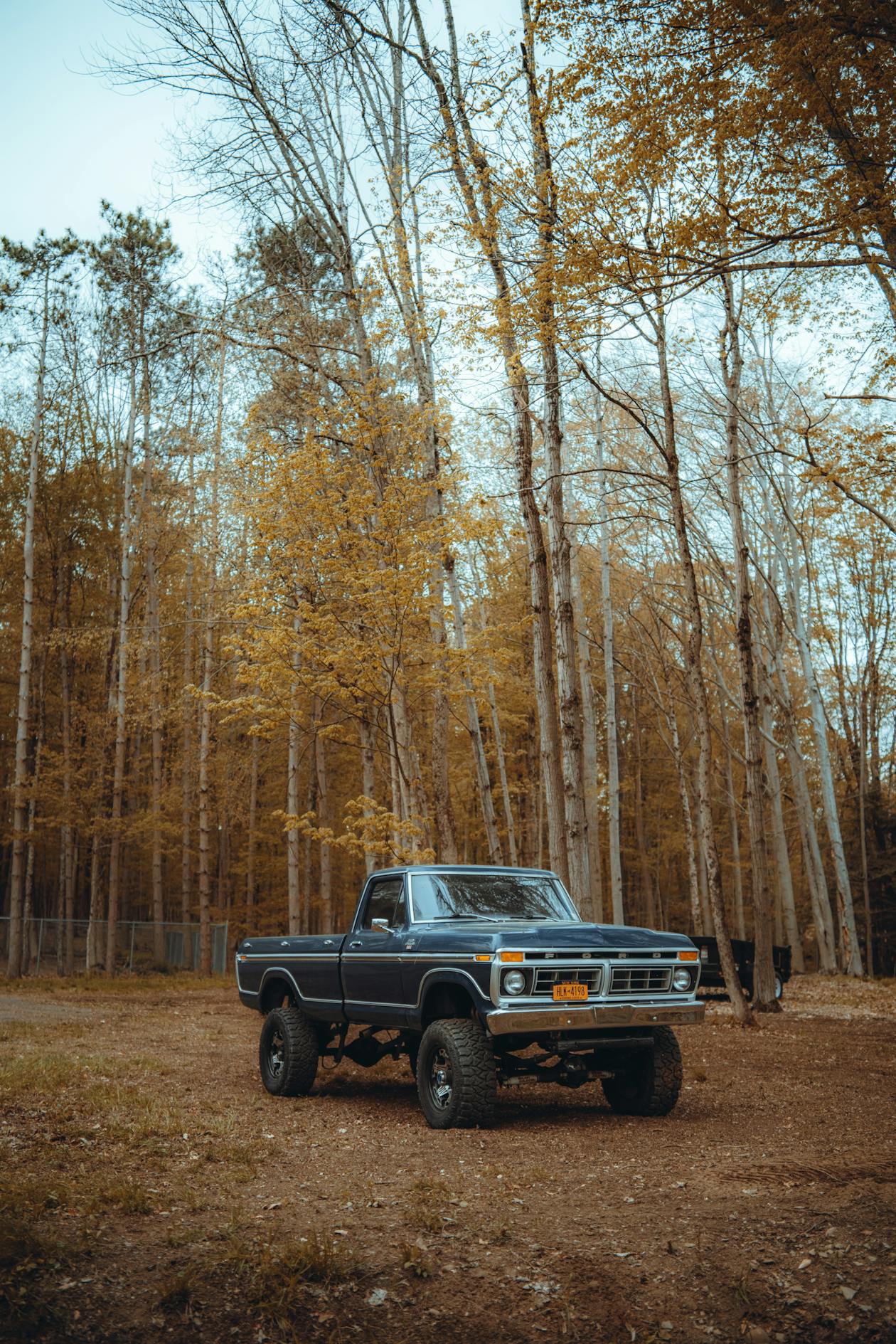
$5,000 Complete Build
- Premium all-terrain tires ($1,200)
- Complete recovery kit with winch ($1,500)
- On-board air system ($300)
- Entry-level rooftop tent ($1,000)
- Roof rack for tent ($400)
- Complete camp kitchen setup ($300)
- Organization and storage ($300)
Where to Save Money
- Buy used: Rooftop tents, coolers, and camping gear depreciate quickly
- DIY: Build your own sleeping platform, drawer system, or storage solutions
- Wait for sales: Black Friday and end-of-season sales offer significant savings
- Prioritize: Buy one quality item instead of multiple cheap ones
- Borrow first: Test gear before buying – friends or rental companies
Build Based on Experience
The smartest approach: start minimal and add equipment based on actual needs.
- First trips: Basic gear only – learn what you actually use
- After 5-10 trips: Upgrade tires if needed, add recovery gear that matches your terrain
- After a season: Invest in comfort items you’ve identified as priorities
- Long-term: Consider major modifications only if consistently limited by current setup

The best overlanding rig is the one that gets you outside. Don’t let budget constraints keep you from exploring. Start with what you have, add thoughtfully, and let experience guide your upgrades. Many of the best adventures happen in vehicles that look nothing like the builds on social media.

Leave a Reply