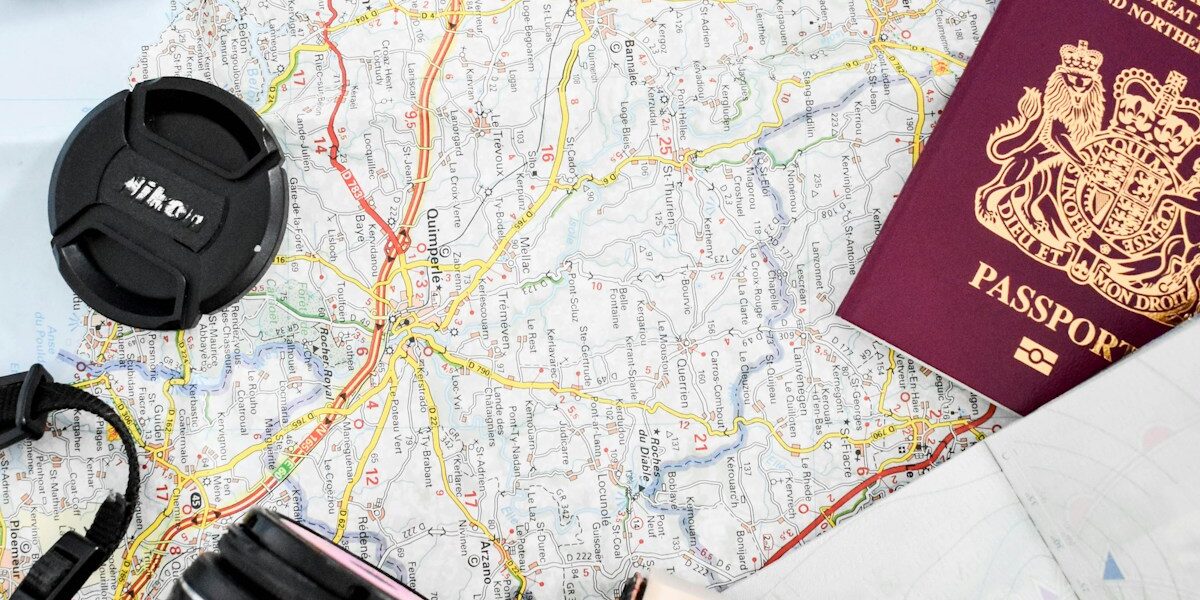
Planning a trip can feel overwhelming, but with the right approach, you can turn chaos into excitement. Whether you’re organizing a weekend getaway or a month-long adventure, these strategies will help you plan smarter and travel better.
Start With Your Travel Goals
Before booking anything, ask yourself what you want from this trip. Are you seeking relaxation, adventure, cultural immersion, or a mix of everything? Your answer shapes every decision from destination selection to daily itineraries.
Write down your top three priorities. Maybe it’s beaches and seafood, or perhaps it’s hiking and wildlife. Having clear goals helps you say no to options that don’t serve your vision—and prevents the common mistake of trying to do too much.
Set a Realistic Budget
Nothing derails a trip faster than financial stress. Break your budget into categories:
- Transportation – Flights, trains, rental cars, local transit
- Accommodation – Hotels, hostels, Airbnbs, or camping
- Food – Restaurants, groceries, snacks, drinks
- Activities – Tours, entrance fees, equipment rentals
- Buffer – Always add 10-15% for unexpected costs
Research average costs at your destination before finalizing numbers. A daily budget of $100 goes much further in Southeast Asia than in Scandinavia.
Book the Big Items First
Secure flights and accommodation before anything else. These are typically the largest expenses and have the most limited availability, especially during peak seasons. Booking 2-3 months ahead usually offers the best balance of price and selection.
For flights, use price comparison tools and set alerts for your dates. For accommodation, read recent reviews and pay attention to location—saving money on a hotel far from attractions often costs more in transportation and time.
Plan Your Itinerary (But Stay Flexible)
Create a rough day-by-day outline, but resist the urge to schedule every hour. The best travel memories often come from unexpected discoveries—a local recommending a hidden restaurant, or stumbling upon a street festival.
Plan for one or two main activities per day, leaving margin for spontaneity, rest, and travel time between locations. Overpacking your schedule leads to exhaustion and missed opportunities.
Handle the Details
Two weeks before departure, tackle these essentials:
- Documents – Check passport expiration (many countries require 6+ months validity), visa requirements, and vaccination needs
- Banking – Notify your bank of travel dates, check foreign transaction fees, and consider a travel-friendly credit card
- Phone – Research international plan options or local SIM availability
- Insurance – Consider travel insurance, especially for international trips or adventure activities
- Copies – Store photos of important documents in secure cloud storage
Pack Smart, Not Heavy
Lay out everything you think you need, then remove half of it. Seriously. You can buy most items at your destination if truly needed, but you can’t unbuy the back pain from lugging an overstuffed suitcase.
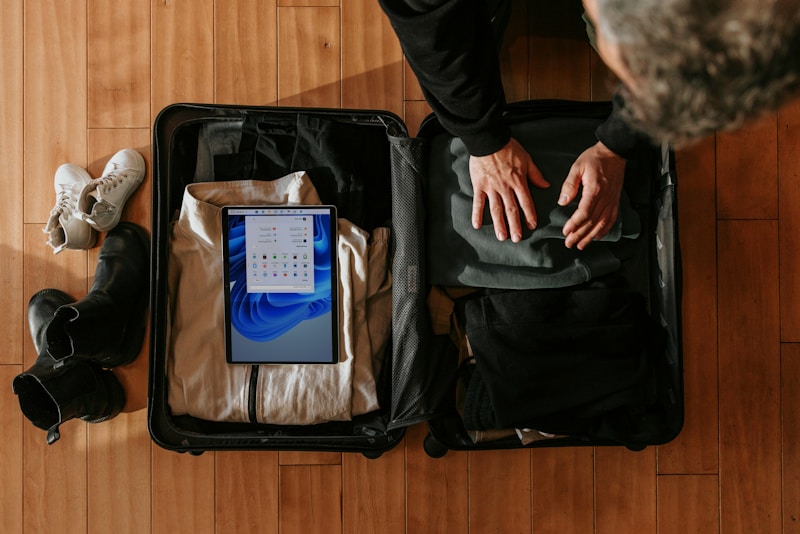
Focus on versatile clothing that mixes and matches, layers for variable weather, and comfortable walking shoes you’ve already broken in. Roll clothes instead of folding to maximize space and minimize wrinkles.
The Night Before
Confirm your first transportation and accommodation. Charge all devices. Download offline maps and key apps. Set multiple alarms. Place your passport and tickets somewhere you absolutely cannot forget them.
Then take a deep breath. The planning is done. The adventure begins.


Leave a Reply